 Contour Desk
The scale belongs to the copy in your hand
A useful map measurement starts by checking what happened between the original page and the copy you are reading.
24 articles
A useful map measurement starts by checking what happened between the original page and the copy you are reading.
Read neighbouring lines together before describing a slope as gentle, steep, or flat.
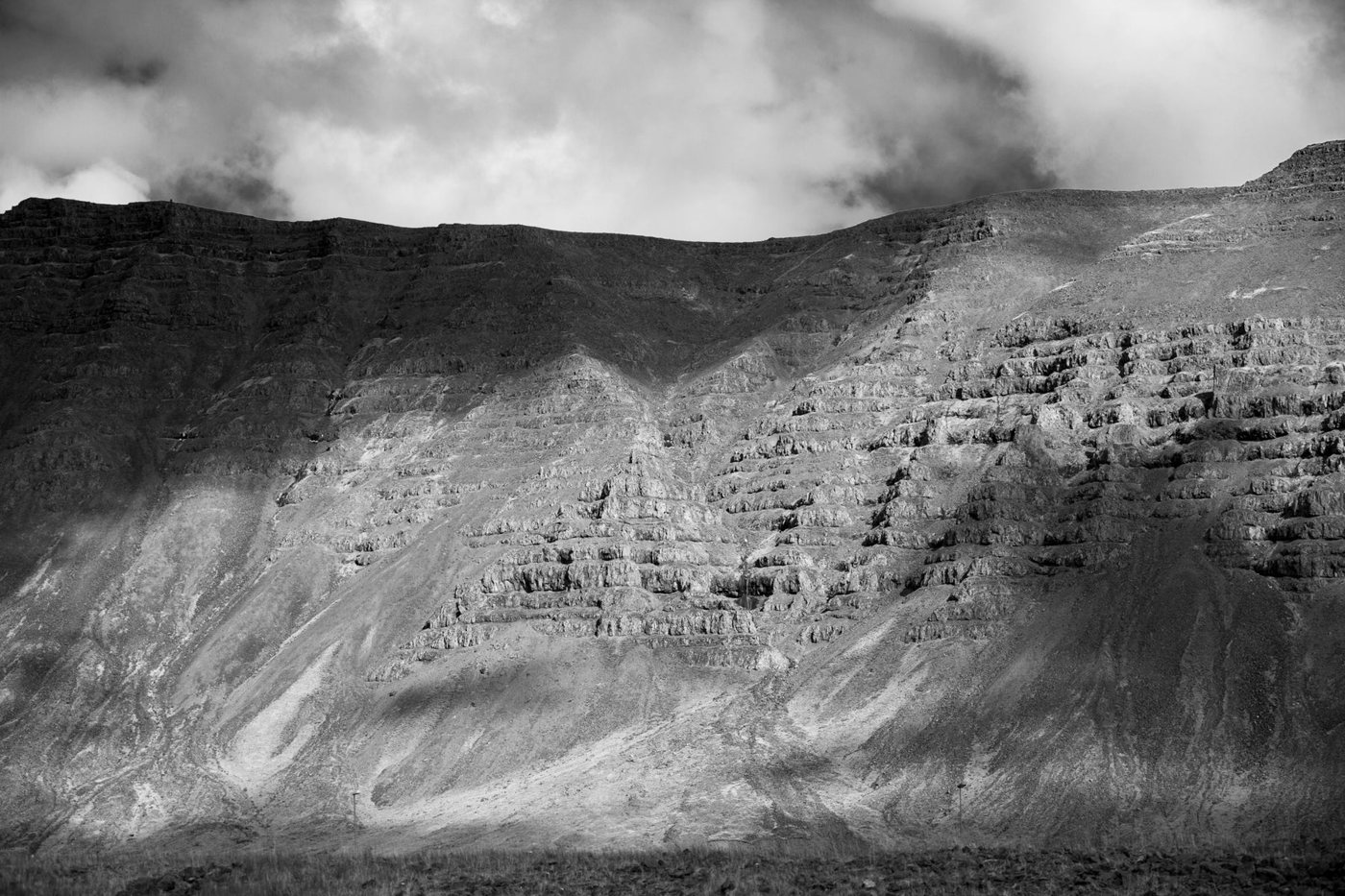
A map key becomes easier to use when it answers a specific question about an uncertain mark.
A small north arrow is useful only when its reference and purpose are understood.
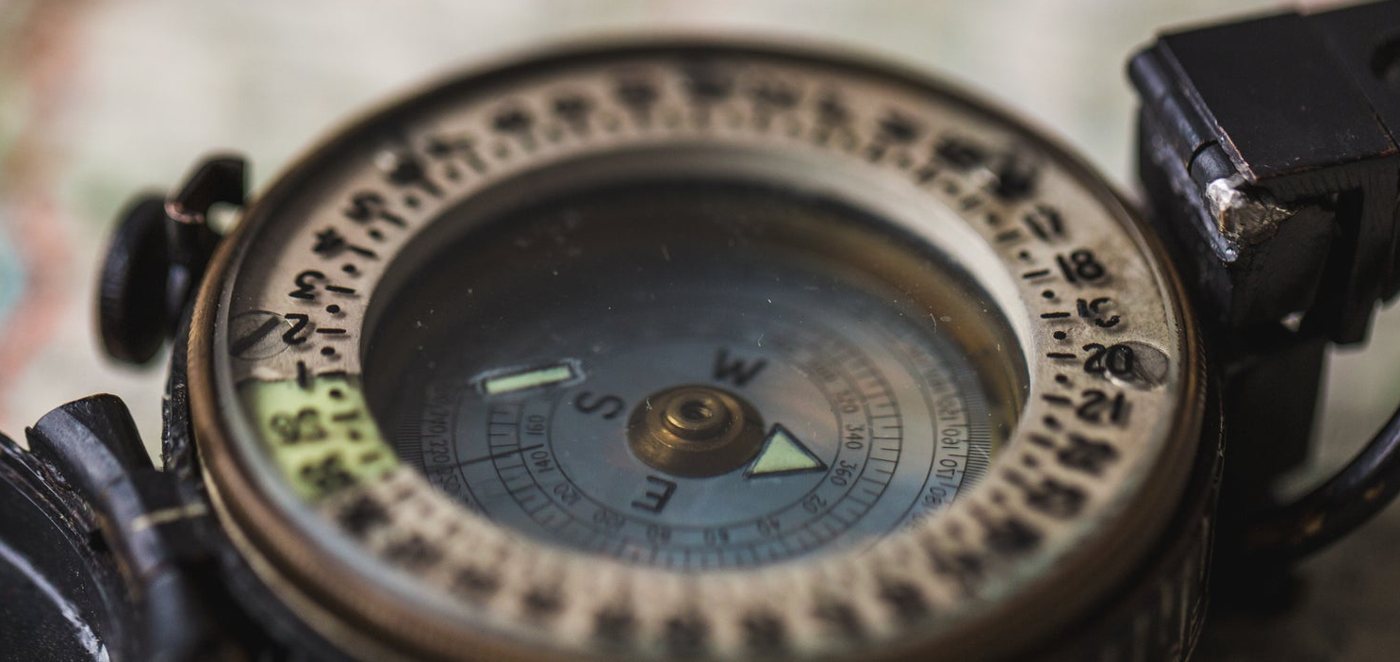
A short grid reference is easier to understand when the enclosing square comes first.
Measure the shape you actually intend to describe, then name the limits of the result.

A name index is an address system for the printed sheet, not a second map to decode.
Separate the age of the paper from the age of the information it carries.
Distinguish an administrative line from a physical edge before describing what lies between places.
Treat the enlarged corner as a separate view with its own scale, direction, and selection.
Map line weight is a hierarchy of information, not a cross-section of the street.
Bridges, tunnels, and junction marks change how a drawn network connects.
A contour bend becomes meaningful when nearby heights and drainage agree with the interpretation.
Empty paper can mean omission, simplification, or low visual priority rather than an empty place.
Relating a page to a place starts with a clear shared feature rather than a guess about the top edge.
A useful mark helps you return to a reading without burying the map underneath it.
Compare coverage, scale, and state before treating two map views as interchangeable.
The best reading starts by matching the publication's purpose to the answer you need.
A paper profile can clarify a contour crossing when its assumptions stay visible.
Separate the apparent illumination of a hill from its printed height evidence.
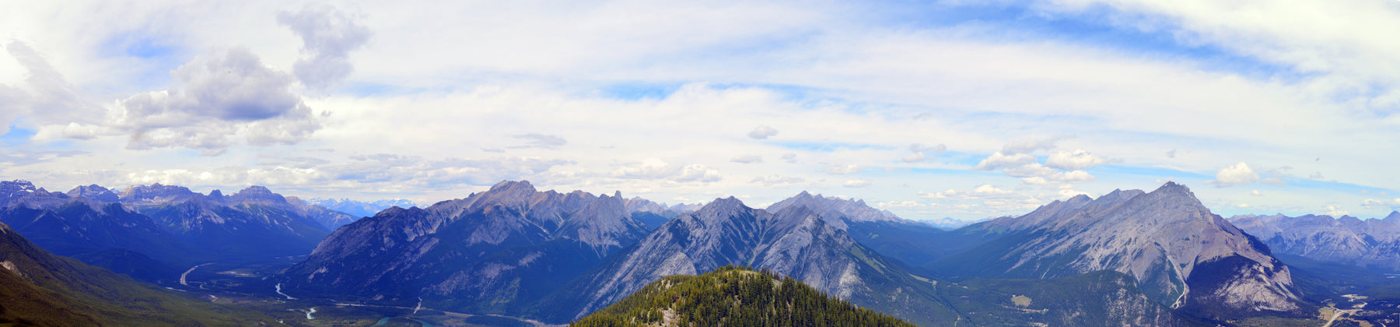
Read a summit area as a bounded question rather than a precisely drawn peak.
Check the named coordinate system before copying a pair into another map.
An apparently broken route can be a mismatch of editions, scales, or sheet margins.
Read a map's colour key separately from its access and boundary symbols.
No articles match this search. Try a shorter phrase or another topic.